A New Zealand Corporal was in Gallipoli for Both War and Burial
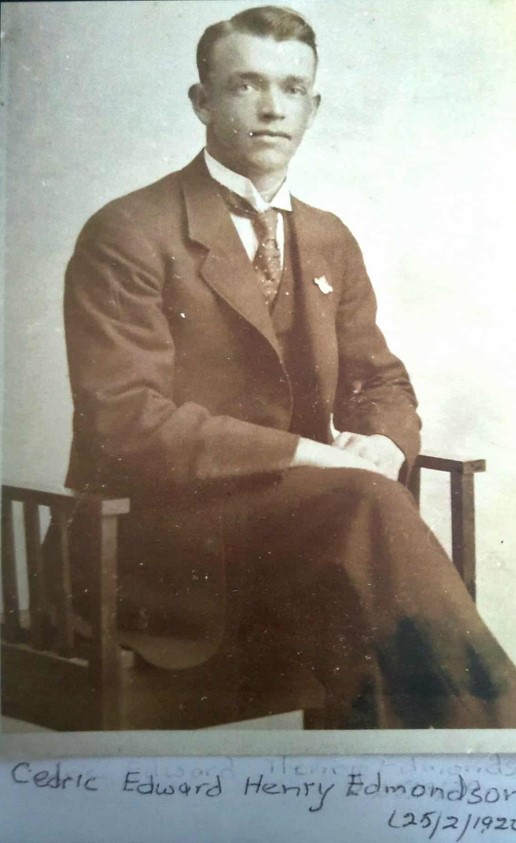
Mehmet Bayer, April 23 (Hibya) – New Zealand Corporal Cedric Edmondson, who took part in the clashes on the Gallipoli Peninsula 111 years ago, survived the Gallipoli Land Battles during his struggle to stay alive.
After the war, Edmondson returned to the Gallipoli Peninsula to find the remains of his trench mates, identify them, and ensure they were properly buried.
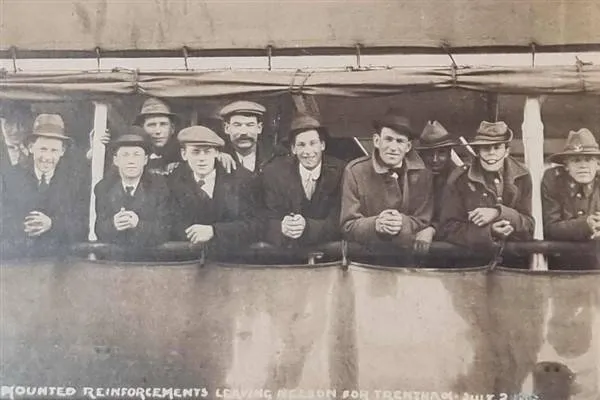
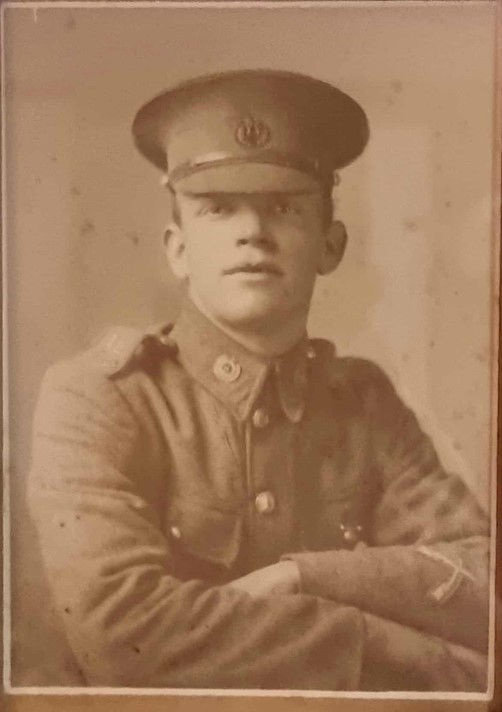
Born on September 21, 1896, in the town of Nelson, New Zealand, Corporal Edmondson was influenced by many people around him who volunteered for the war. Not wanting to leave his friends behind, Cedric Edmondson enlisted, received training at Trentham Army Camp in 1915, then joined the Canterbury Mounted Rifles and was sent to Egypt with Australian forces.
Robert Edmondson, the grandson of Cedric Edmondson, a World War I veteran who later lived in Gold Coast, Queensland, Australia, told a HIBYA reporter that his grandfather fought on many fronts including Gallipoli and Sinai and survived, and also took part in the final cavalry charge at the Battle of Beersheba.
Edmondson noted that the bloody clashes lasted nine months, from April 25, 1915, to January 1916, and that by the end of the war there were hundreds of thousands of dead and wounded on both sides. “A total of 8,556 New Zealand soldiers landed at Gallipoli. These were young men from every city and region of New Zealand. During the Gallipoli Campaign, 2,721 soldiers were killed and 4,752 were wounded. The total number of casualties was 7,473. This figure represented a major tragedy felt in nearly every household in New Zealand,” he said.
Stating that his grandfather witnessed the deaths of many of his friends during the battles on the Gallipoli Peninsula, Edmondson said that after the war, his grandfather voluntarily returned to Çanakkale to help locate, identify, and rebury fallen Anzac soldiers. “Towards the end of his life, he began attending Anzac Day ceremonies. These ceremonies deeply affected him, as they reminded him of the friends he had lost,” he said.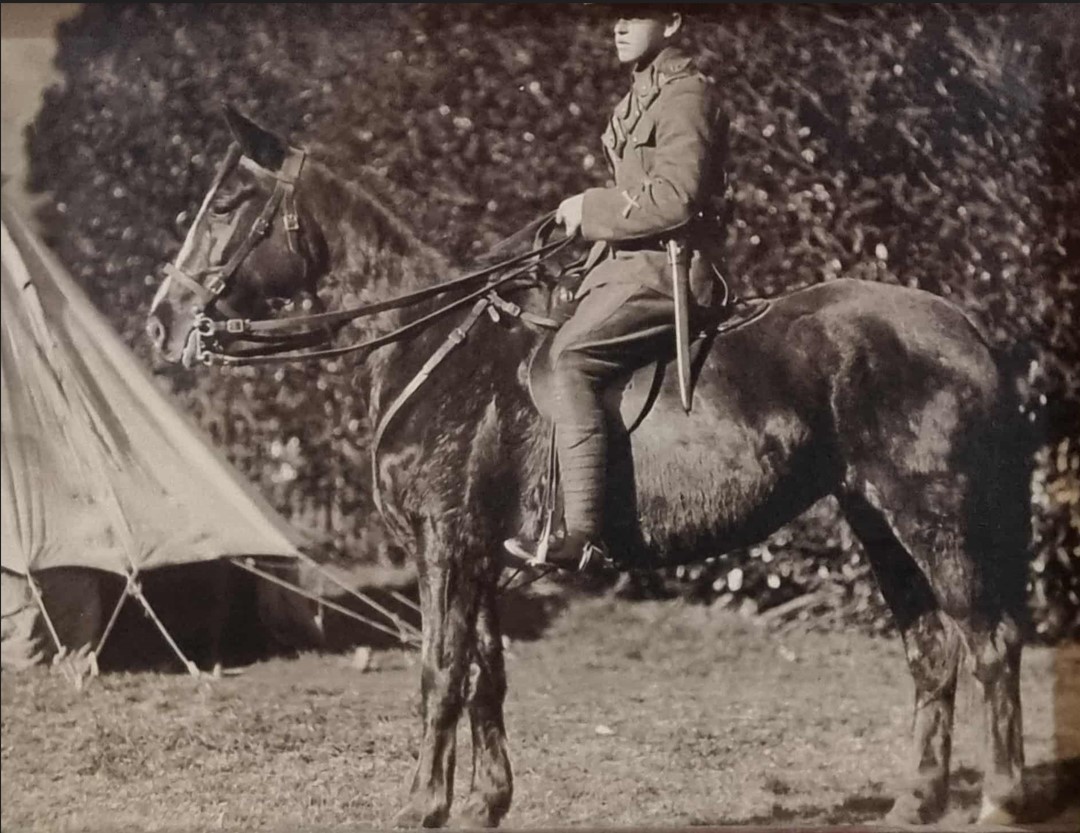
Deep Respect for Turkish Soldiers
Robert Edmondson emphasized that New Zealand and Australian forces held the highest level of respect for the Turkish soldiers they faced.
He noted that Anzac soldiers on the Gallipoli front generally regarded the Turks as honorable, brave, and “clean” fighters. “Despite the harsh conditions, mutual respect and humane behavior developed among soldiers fighting under difficult circumstances on different fronts. The Anzacs often referred to the Turks as ‘Johnny Turk’ or ‘Abdul,’” he said.
Edmondson stated that in early 1919, when volunteers—primarily from the New Zealand and Australian Graves Association and the Graves Registration Unit—returned to Gallipoli to locate and bury fallen comrades, they encountered a “horrific” scene.
He said: “This task was described as an unpleasant duty requiring the reburial of thousands of soldiers who had been exposed to the open air for more than three years. The bones of the soldiers had surfaced above the soil, creating a dreadful sight. My grandfather and the other volunteers experienced exactly these feelings when they returned to Gallipoli. Even after the war had ended and most soldiers had returned home, these volunteers chose not to go back despite having endured the full horrors of war. They found the remains of their fallen comrades, identified them, and reburied them properly.”
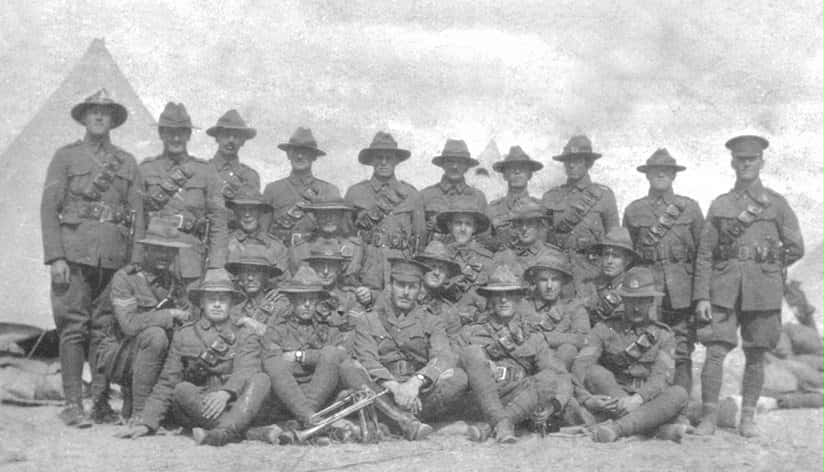
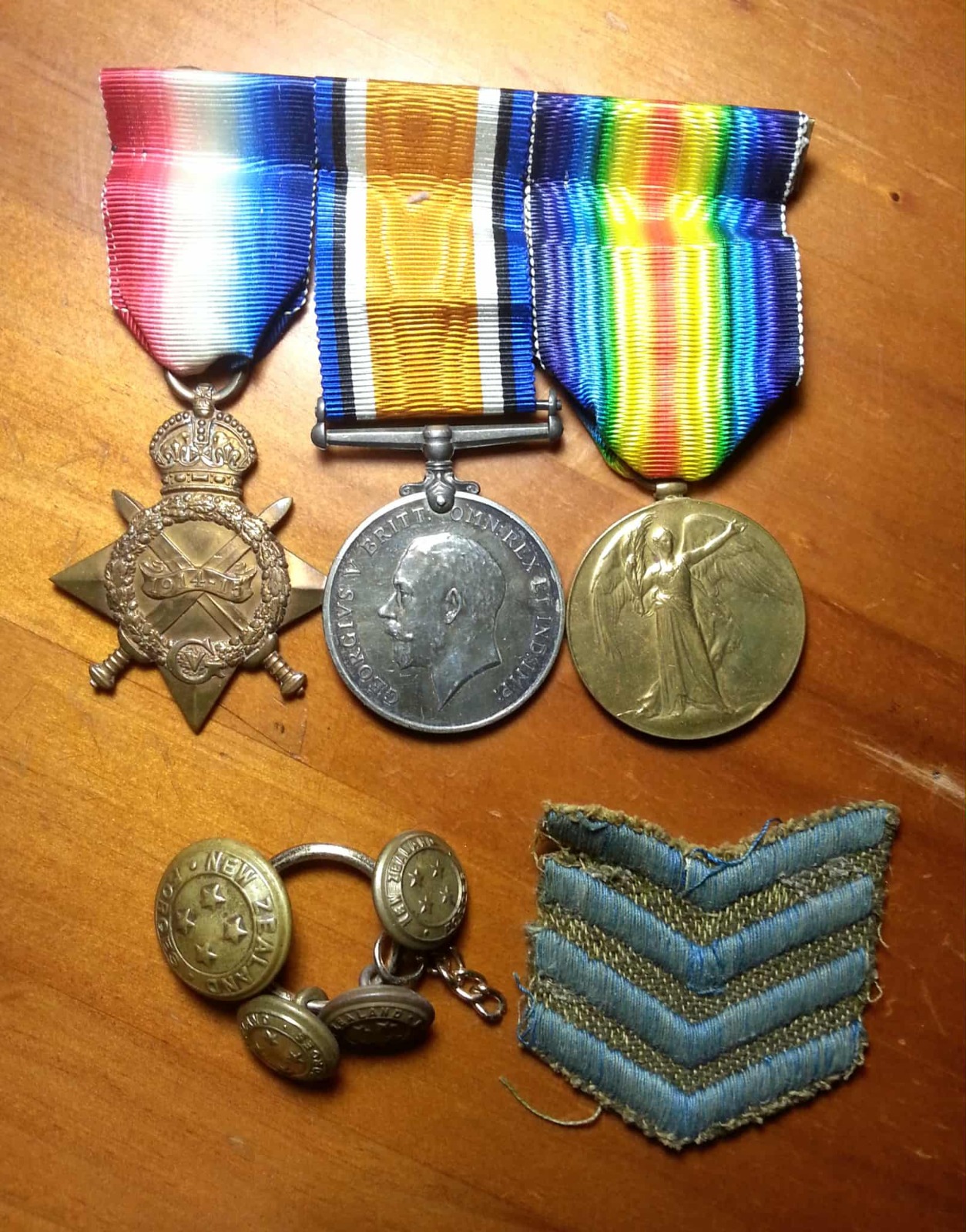
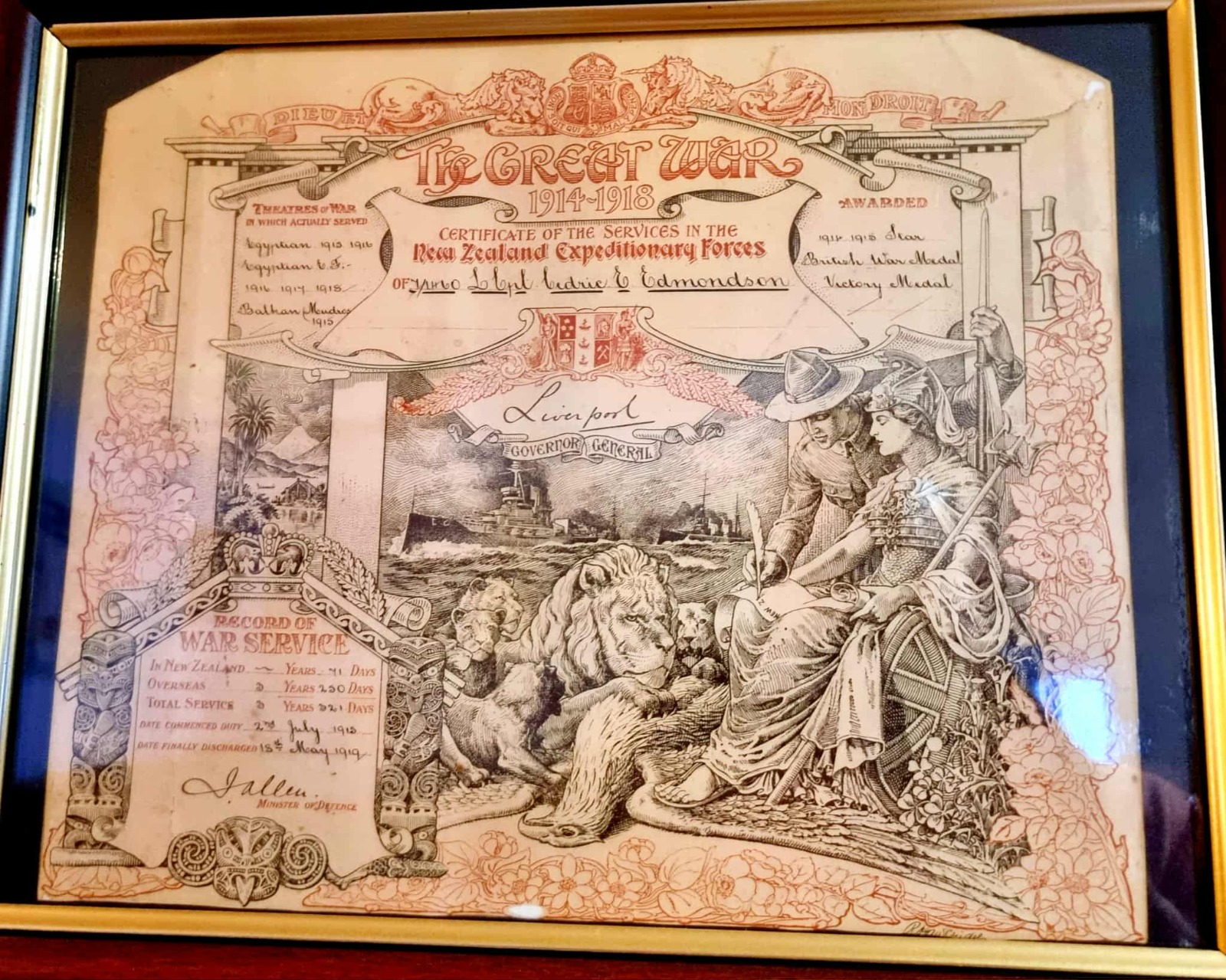
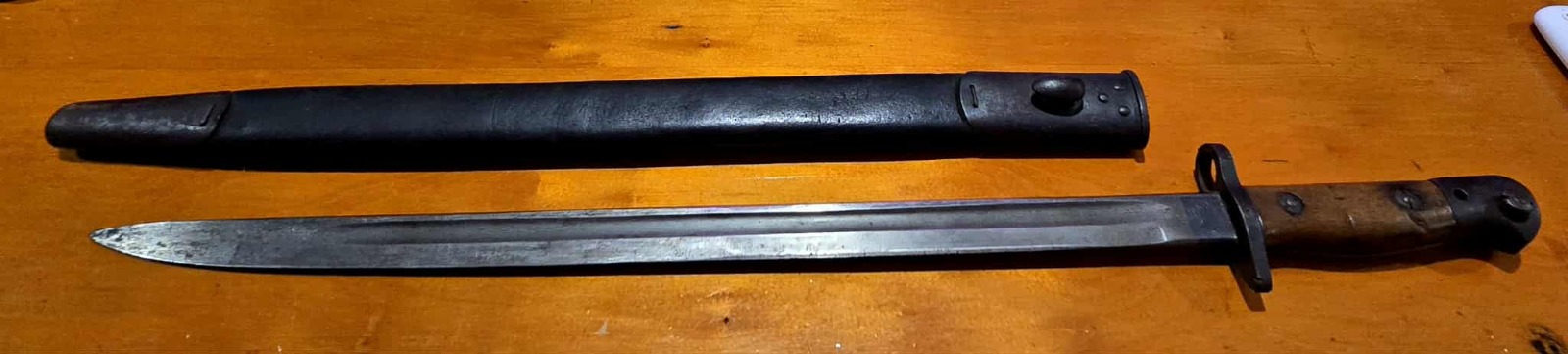
Edmondson added that his grandfather returned to New Zealand after World War I, worked on a farm for a while, later became a fisherman, and passed away in 1972 at the age of 76. He also noted that as keepsakes, he has his grandfather’s bayonet, some brass uniform buttons, service ribbons, and a copy of his war certificate, while his older brother has the war medals.
 Facebook
 Tweeter
 Whatsapp