Filipino journalist sentenced to at least 12 years in prison for financing terrorism
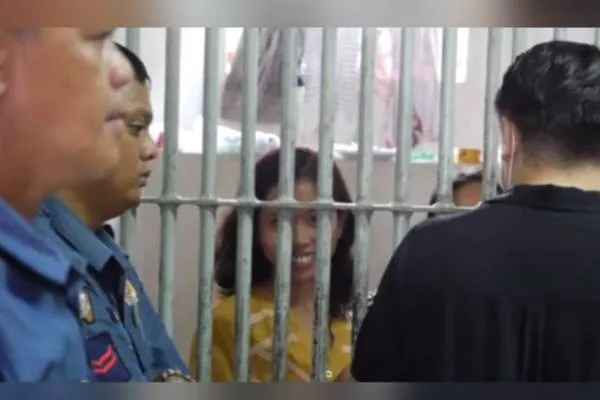
Stockholm, January 22 (Hibya) – According to the BBC, 26-year-old female journalist Frenchie Mae Cumpio was arrested in February 2020 after soldiers raided the boarding house where she was staying late at night. During the raid, it was claimed that a hand grenade, a firearm, and a communist flag were found on her bed.
Human rights groups said the charges were fabricated and that Cumpio had been “red-tagged” (labeled as a revolutionary) because of her reporting critical of the police and the military.
Observers say the practice of red-tagging journalists and activists intensified during the presidency of Rodrigo Duterte, who waged a bloody war on drugs from 2016 to 2022.
On Thursday, after spending six years in prison, Cumpio was acquitted of charges related to the illegal possession of firearms and explosives, but was convicted of financing terrorism. She now faces a prison sentence of 12 years. Her former roommate, Marielle Domequil, was also convicted on the same charge and received the same sentence.
One of Cumpio’s lawyers, Attorney Josa Deinla, told the BBC: “We are deeply concerned about the implications of this conviction, especially when there are still many terrorism financing cases across the country that, in my view, are fabricated.”
“The sad reality is that this ruling has dire consequences for community journalism, because those who truly bring to light conditions in areas where the poorest people live—especially in rural regions—are community journalists on the margins, not those belonging to mainstream media organizations.”
Before her arrest, Cumpio regularly reported on abuses by military and police forces in the Eastern Visayas region of the Philippines through articles she wrote for the Eastern Vista news website, where she was formerly an editor, and through a radio program she hosted on Aksyon Radyo-Tacloban DYVL.
The Asia-Pacific director of the Committee to Protect Journalists, Beh Lih Yi, condemned Thursday’s court ruling.
The International Association of Women in Radio and Television in the Philippines also issued a statement following the conviction, describing it as “a state-sponsored act of silencing.”
The statement said: “The conviction of Frenchie Mae on terrorism financing charges is a disgrace aimed at legitimizing the silencing of women who dare to speak truth to power, and our sisters in the community of women working in media will not stop until she is fully exonerated and her name is cleared of these baseless accusations.”
“This sends a chilling message: documenting the struggles of the poor has now become a punishable crime.”
According to data from Reporters Without Borders (RSF), the Philippines is among the most dangerous countries in the world for journalists.
Usa News Agency
 Facebook
 Tweeter
 Whatsapp